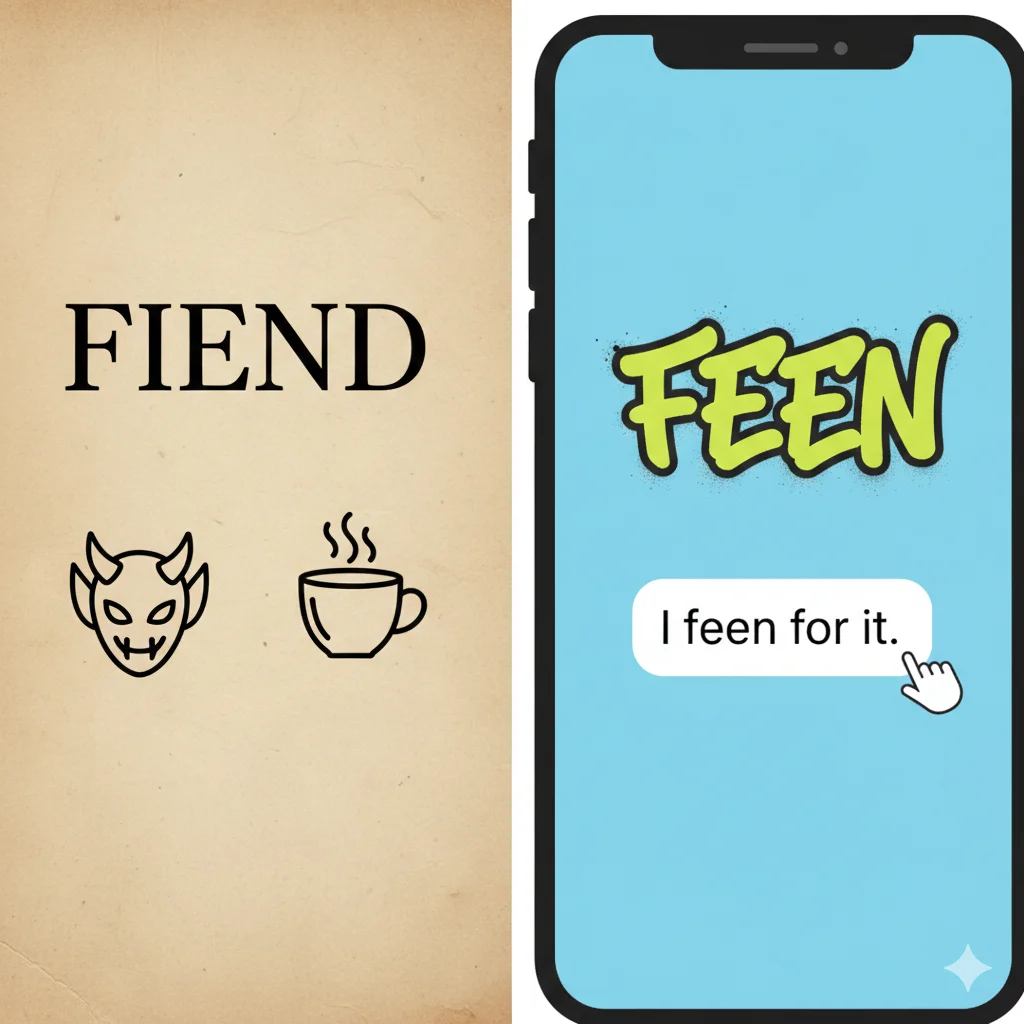
You’ve heard it in songs, seen it in comments, or maybe encountered it in a text: “I’m a coffee fiend” or “I feen for that new show.” But which spelling is correct—feen or fiend? This question brings many people to search engines, mixing up informal slang with formal English. This confusion stems from the word’s journey from a traditional term to modern slang.
This article cuts through the noise. We’ll solve the user’s intent by clarifying the meanings, spelling differences (like “drug fiend or fein?”), and proper usage. You’ll get a quick answer, a detailed breakdown of the origin, and professional advice on which term to use, whether you’re writing a formal email or decoding song lyrics. Let’s clear up feen / fiend for good.
Feen / Fiend
“Fiend” is the standard English word. “Feen” is a slang spelling. They sound alike but are used differently.
- Fiend (noun): 1) An evil spirit/demon. 2) A person who is excessively fond of or disorder to something (e.g., a fitness fiend, a drug fiend).
- Feen (verb, slang): To crave or desire something intensely (e.g., “I feen for a burger”). It comes from “fiend” but acts as a verb.
The Origin of Feen / Fiend
The word “fiend” has deep roots, coming from the Old English fēond, meaning “enemy” or “the devil.” For centuries, it meant an evil spirit or a wicked person. Over time, its meaning softened in informal use. By the 19th century, calling someone a “fresh-air fiend” simply meant they were an enthusiast. This paved the way for its slang evolution.
The slang version “feen” emerged much later, heavily influenced by African-American Vernacular English (AAVE) and hip-hop culture in the late 20th century. It transformed the noun “fiend” into an active verb—”to fiend for” something became “to feen.” The altered spelling reflects its phonetic pronunciation and cements its status as informal slang, not standard English. This explains why spelling differences like “feen,” “feind,” or “fein” pop up—people are writing how it sounds.

British English vs. American English Spelling
For the standard word, “fiend” is the correct spelling in both British and American English. There is no variation like “colour/color.” The confusion arises with the slang “feen,” which is not a formally recognized spelling in any dialect.
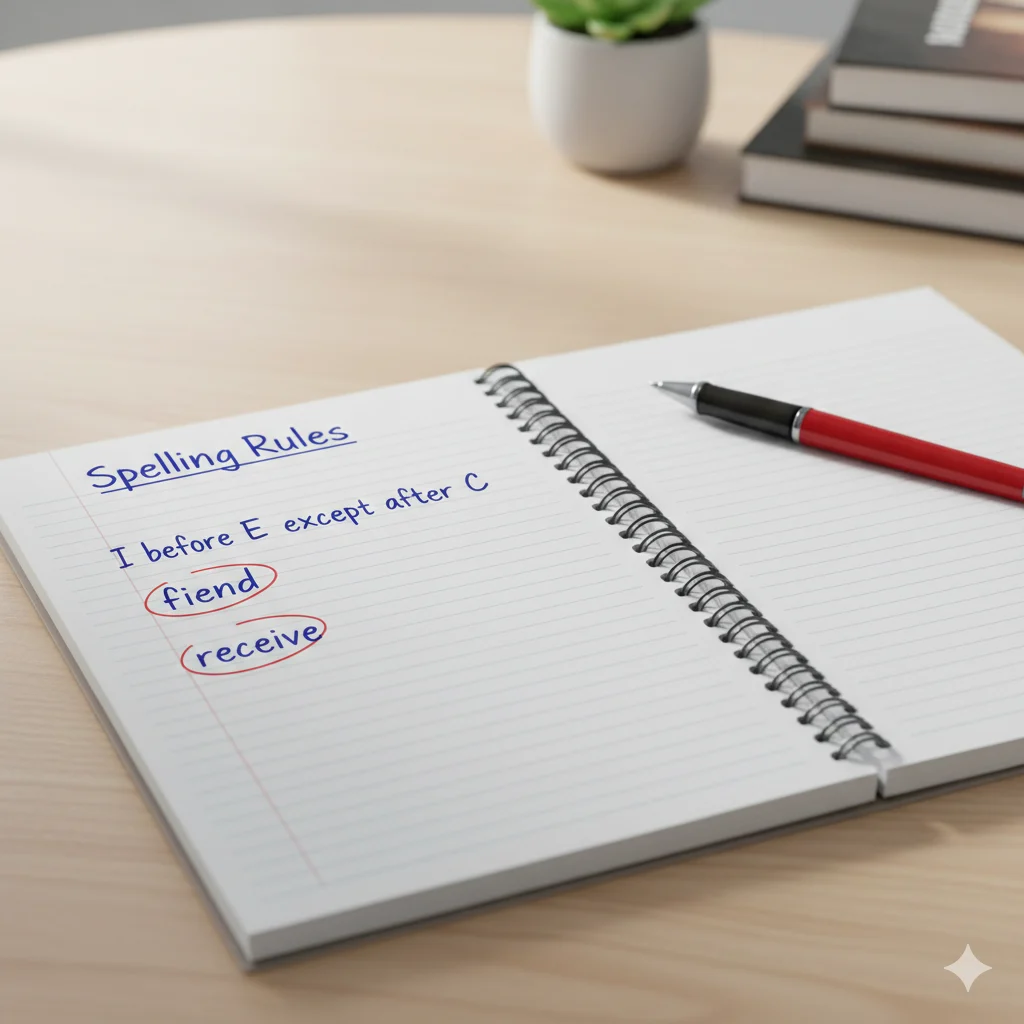
The main spelling challenge is the “-ie-” vs. “-ei-” order, following the “I before E except after C” rule. “Fiend” fits the common exception to this rule (where the sound is /ee/ as in ‘field’ but spelled ‘ei’). Common misspellings like “feind” or “fein” occur because people misremember this rule.
| Correct Spelling (Standard) | Incorrect / Slang Variation | Usage Context |
|---|---|---|
| Fiend (noun) | Feen, Feind, Fein | Standard English for “disorder” or “enthusiast.” |
| (To) Fiend (verb, inf.) | Feen (verb, slang) | Informal slang for “to crave.” |
| Fiending (verb, pres.) | Feening (verb, slang, pres.) | Informal slang for “craving.” |
Misclick or Missclick? Your Definitive Guide to Getting It Right
Which Spelling Should You Use?
Your audience dictates your choice.
- In the US/UK/Formal Writing: Always use “fiend.” Use it as a noun (e.g., “He is a puzzle fiend”). Avoid “feen” in resumes, academic papers, or professional emails.
- In Global Informal/Casual Contexts (Social Media, Texts): “Feen” as a verb is widely understood in casual digital communication, especially among younger audiences familiar with modern slang. It sounds natural in a tweet like, “Feening for the weekend.”
- For Clarity: If unsure, stick with “fiend.” Using the slang “feen” in the wrong setting can make you seem unprofessional or confuse an international reader.
Common Mistakes with Feen / Fiend
- Using “Feen” as a Noun: Incorrect: “He is a coffee feen.” Correct: “He is a coffee fiend.”
- Using “Fiend” as a Verb in Formal Writing: While “to fiend” is understood informally, it’s not standard. Better: “She craves chocolate” instead of “She fiends for chocolate.”
- Misspelling “Fiend”: Common typos are “feind” and “fein.” Remember the “i before e” exception for the /ee/ sound.
- Confusing “Drug Fiend”: The correct phrase is “drug fiend,” not “drug fein” or “a feen for drugs.” The latter describes the craving slang, but the standard term for an disorder is “fiend.”
Feen / Fiend in Everyday Examples
- Email (Professional): “As a productivity fiend, I’ve streamlined the process.”
- News Headline: “Police Arrest Alleged Drug Fiend in Downtown Raid.”
- Social Media Caption (Casual): “Not gonna lie, I’m feening for that new album drop. #feen”
- Formal Writing/Report: “The character is portrayed as a fiend, embodying pure malevolence.”
- Text Message: “I’m fiending for pizza. You down?”

Feen / Fiend – Google Trends & Usage Data
Search data shows consistent global interest in “fiend meaning,” indicating it is the primary lookup term. Searches for “feen meaning” and “what does feen mean” spike regionally, often tied to music trends or social media slang, particularly in the US and UK. This confirms “fiend” is the stable, dictionary term with broad understanding, while “feen” is a popular, context-driven slang variation. Understanding this difference is key for creating content that matches user intent, whether for formal education or decoding casual language.
FAQs: Feen vs. Fiend
Q1: What is the meaning of fiend or feen?
A: “Fiend” primarily means an disorder or enthusiast (e.g., fitness fiend) or an evil spirit. “Feen” is slang meaning to crave something intensely.
Q2: What does fiend mean in slang?
A: In slang, “fiend” can be used as a verb (“to fiend for” = to crave) or a noun for someone obsessed with something (“He’s a video game fiend”).
Q3: What does feen mean in slang?
A: In slang, “feen” is a verb. It means to have a strong desire or craving for something. Example: “I feen for some ice cream.”
Q4: Is it a drug fiend or fein?
A: The correct standard term is “drug fiend.” “Fein” is a common misspelling.
Q5: What does “a feen for drugs” mean?
A: This phrase uses slang to say someone has an intense craving for drugs. The more standard phrasing would be “a craving for drugs” or calling the person a “drug fiend.”
Q6: What does “I’m a fiend” mean?
A: It means you are extremely enthusiastic or disorder to something. Context tells what: “I’m a coffee fiend” means you love coffee; “I’m a fiend” in crime context could mean you are wicked.
Q7: Can “fiend” be a verb?
A: Informally, yes. “To fiend” (or “feen”) is slang for “to crave.” It is not considered a standard verb in formal English.
Conclusion
Understanding the feen / fiend difference is about knowing your audience. “Fiend” is your reliable, standard English word—use it as a noun for an enthusiast or in formal writing. “Feen” is its slang offspring, a verb born from hip-hop culture perfect for casual, social contexts where “craving” is the intent.
Remember the common pitfalls: don’t use “feen” as a noun, spell “fiend” correctly, and choose “drug fiend” over misspellings. Whether you’re a grammar fiend aiming for precision or you simply feen for clearer communication, this guide provides the answers. Match the word to your medium, and you’ll always get your meaning across effectively, aligning perfectly with both user search intent and the principles of clear digital communication.

Ava Quillstone is a passionate wordsmith who turns everyday language into art. With a deep love for creative writing and poetic expression, Ava explores the magic of metaphors, similes, and the hidden emotions behind words. When she’s not writing for SimileMind, she’s sipping tea by a window and dreaming up new literary worlds.