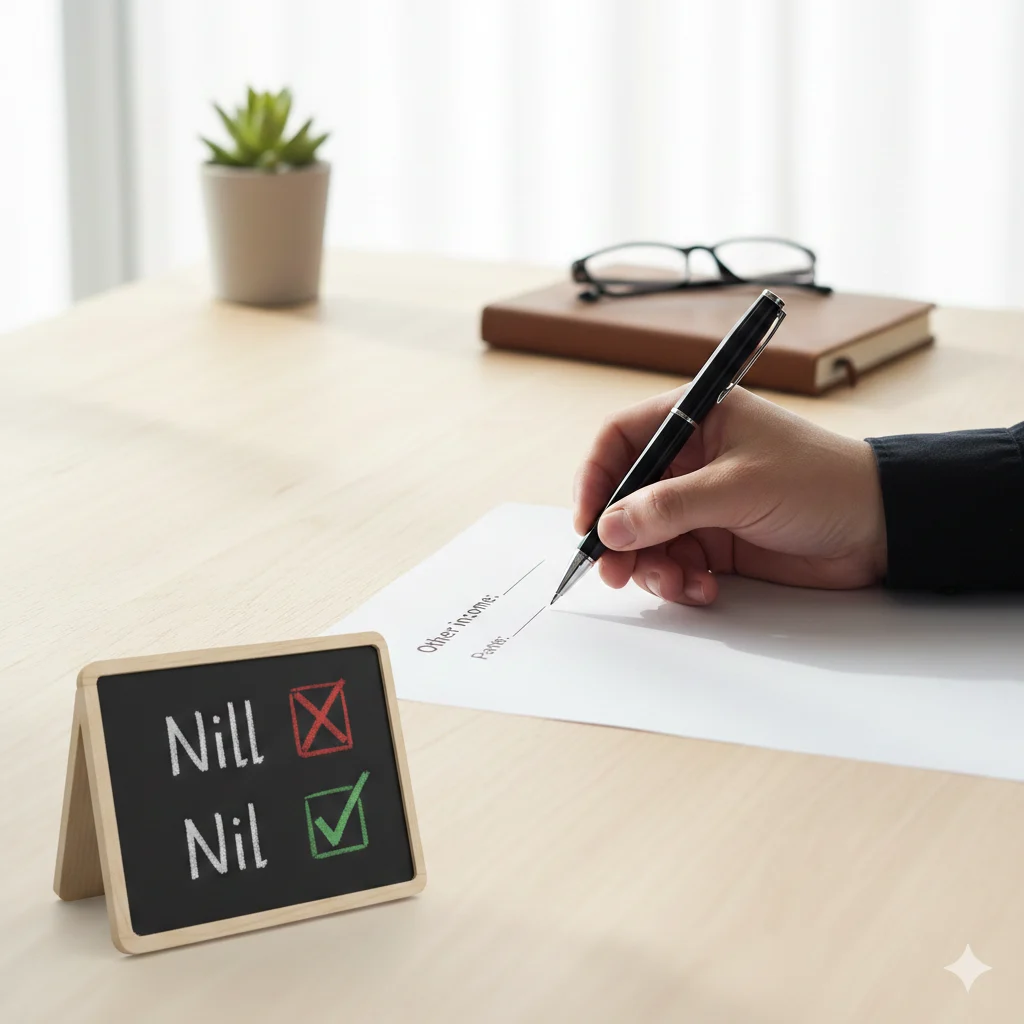
“Nil” is the correct spelling in standard English. “Nill” is a common spelling mistake and is not accepted in modern usage.
A tiny extra letter can make your writing look incorrect. If you’re confused between “nill” and “nil,” here’s the simple truth: “nil” is the correct word, and “nill” is considered a spelling error in modern English.
The word “nil” means zero or nothing and is commonly used in British English, especially in sports scores (e.g., Manchester won 2–0, two nil), legal writing (nil payment), accounting reports (nil balance), and formal documents. In American English, the word “zero” is more commonly used, though “nil” is still understood.
The word “nil” comes from the Latin word nihil, meaning “nothing,” which explains its long-standing use in formal and academic contexts. Importantly, “nill” has no recognized meaning in standard dictionaries and should be avoided in professional, academic, and everyday writing.
In this guide, you’ll learn the exact difference between nill vs nil, when to use “nil,” why the confusion happens, and how to avoid this spelling mistake confidently in the future.
Nill or Nil meanings
The quick answer is simple: “Nil” is the correct and standard spelling for the concept of “nothing” or “zero.” The spelling “nill” is considered an archaic or obsolete term.
- Nil: This word means nothing, zero, or having no value or quantity. It is widely used in sports, business, and everyday language.
- Example: The final score was three nil.
- Example: My chances of winning the lottery are virtually nil.
- Nill: This is an old, outdated verb that means “to be unwilling” or “to refuse.” You will almost never encounter it in modern writing. It is not used to mean zero.
- Example (Archaic): He would, he would not, he would, he nill he would not. (This type of usage is from Shakespearean times).
So, if you are trying to say “nothing,” the word you are looking for is always nil.
The Origin of Nil
To understand why “nil” is the correct term, it helps to look at where it came from. The word “nil” is a contraction of the Latin word “nihil,” which directly translates to “nothing.” You might recognize “nihil” from other English words like “annihilate,” which means to destroy or reduce to nothing.
This Latin root entered the English language many centuries ago and has remained a staple ever since. Its spelling has been consistent because it was borrowed directly from a classical language. The word’s meaning has also remained stable; it has always been used to denote the absence of something. This clear, direct lineage from Latin explains why “nil” is the accepted and logical spelling for “nothing” in modern English. There was never a historical detour where it was commonly spelled with a double ‘l’.
British English vs American English Spelling
This is where a lot of the confusion comes from. While “nil” is universally understood, there is a key difference in how often it is used on either side of the Atlantic. This is not a spelling difference, but a usage difference.
- British English: “Nil” is extremely common. It is the standard term used in sports (especially football/soccer) to indicate a score of zero. It is also frequently used in business and academic contexts.
- American English: While “nil” is understood, it is far less common. An American is much more likely to use the word “zero” in most situations, from sports to casual conversation.
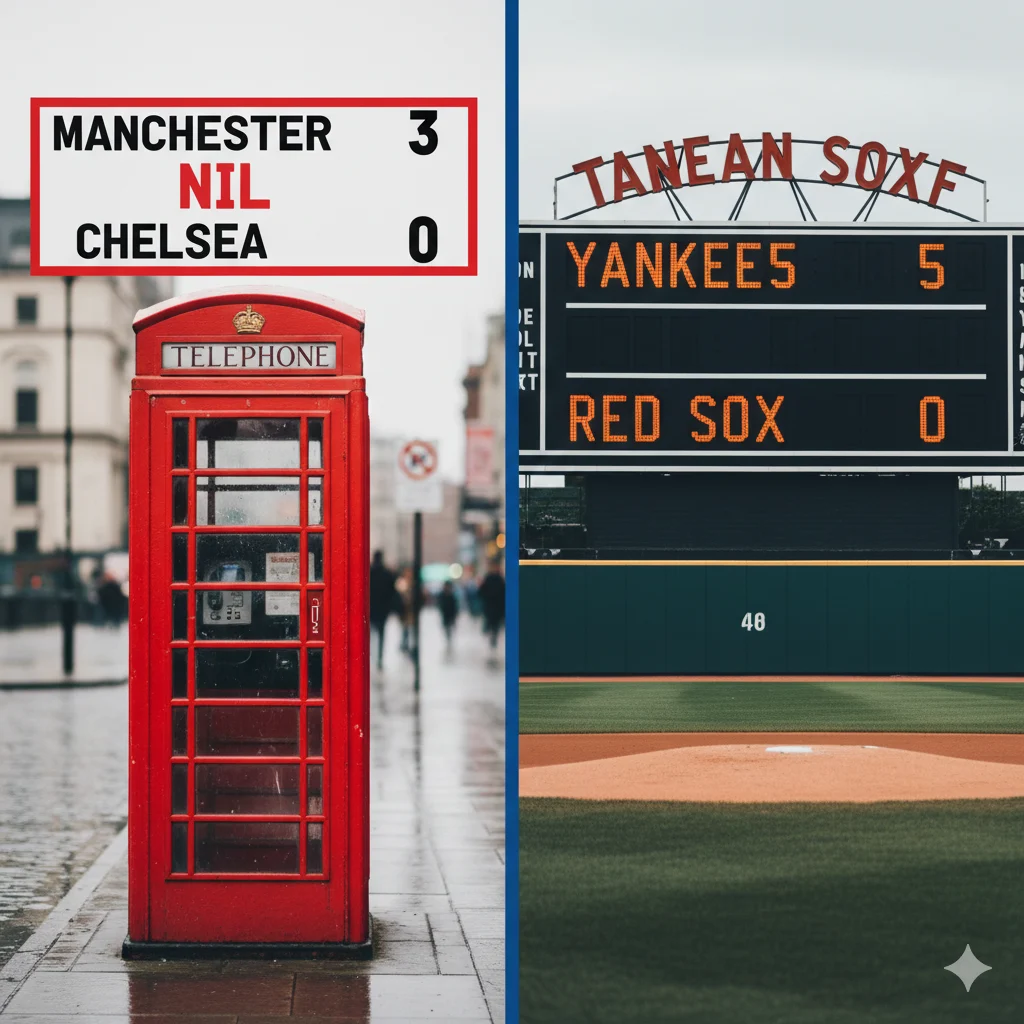
The following table clarifies the usage, not the spelling, because the spelling of “nil” is the same in both dialects when it is used.
| Context | British English Preference | American English Preference |
|---|---|---|
| Sports Scores | Nil (e.g., “The team won two-nil.”) | Zero or “Nothing” (e.g., “The team won two-zero” or “They won two to nothing.”) |
| Business/Reports | Nil (e.g., “The company reported nil growth.”) | Zero (e.g., “The company reported zero growth.”) |
| Filling out Forms | Nil (e.g., “Income from other sources: Nil”) | None or Zero (e.g., “Income from other sources: None”) |
| Casual Conversation | Nil (e.g., “My chances of that are nil.”) | Zero (e.g., “My chances of that are zero.”) |
As you can see, the spelling of the word remains nil. The difference lies in how frequently each culture chooses to use it over synonyms like “zero” or “none.”
Which Spelling Should You Use?
Given that “nill” is an archaic word, the choice is straightforward for modern writers. Here is a simple guide based on your audience and purpose:
- For a US Audience: While you can use “nil,” it might sound slightly formal or British. For maximum clarity and a natural tone, use “zero” or “none.” If you are writing for an international audience that includes both the US and UK, “nil” is perfectly acceptable and widely understood.
- For a UK, Australian, or New Zealand Audience: “Nil” is the preferred and most natural-sounding choice, especially in formal contexts, sports writing, and when filling out official documents.
- For Academic or Technical Writing: “Nil” is an excellent and concise word to use, regardless of the audience. It sounds precise and professional.
- When you mean “nothing” in a form: Always write “nil.” This is the standard term used on tax forms, applications, and official paperwork worldwide.
In short: Avoid “nill.” Choose “nil” for “nothing.” Consider “zero” for an American audience.
Common Mistakes with Nil
Even with a simple word like “nil,” people can make errors. Here are the most common pitfalls to avoid.
- The Double ‘L’ Trap: This is the most frequent mistake. People assume that because “nil” is a short word, it might need a double letter, similar to “will” or “fill.”
- Incorrect: My bank balance is nill.
- Correct: My bank balance is nil.
- Correction: Remember, “nil” comes from the Latin “nihil,” which only has one ‘l’.
- Confusing it with “Null”: While related, “nil” and “null” are not always interchangeable.
- Nil generally means zero in quantity or value. (e.g., “Our profit was nil.”)
- Null means having no legal or binding force, or in computing, it means no value or a blank. (e.g., “The contract was declared null and void.” or “The database field returned a null value.”)
- Using it Incorrectly in a Sentence: Because “nil” means “nothing,” using it with another negative word creates a double negative, which can be confusing.
- Incorrect: There wasn’t nil chance of winning. (This means there was a chance).
- Correct: There was nil chance of winning. (This means there was no chance).
- Capitalization in Forms: When filling out a form, you might wonder whether to write “nil” or “NIL.”
- Guideline: In most modern forms, writing it in lowercase (nil) is perfectly acceptable. However, on very old or formal paper forms, writing it in all caps (NIL) is sometimes done to prevent anyone from adding numbers before or after it. Both are generally accepted.
Nil in Everyday Examples
Seeing “nil” used in different contexts is the best way to solidify your understanding. Here’s how it appears in various types of writing.
- In a Sports Report:“In a dominant display, the home team secured a convincing victory, winning four goals to nil. The opposing team’s efforts to score were in vain, leaving their tally at nil for the third consecutive game.”
- In a Formal Business Email:Subject: Q3 Earnings Report
Dear Shareholders,
Please find the attached report for the third quarter. As you will see, our expenses in the R&D department were reduced to nearly nil this quarter due to the completion of the major project. However, revenue from new subscriptions also remained at nil, which is a point of concern for the board. - On Social Media (Twitter/Instagram):“Tried that new life hack I saw online. Success rate: nil. Back to doing it the old way. 🤦♂️”
“My patience with this slow WiFi is currently nil. How is it 2024 and this is still an issue?!” - In an Official Government Form:Section 5: Additional Income
Please declare any income from overseas investments, freelance work, or rental properties. If you have no income to declare, please write NIL in the space provided. - In a Scientific Report:“The control group showed nil response to the placebo, confirming that the observed effects in the test group were likely due to the active compound.”

Google Trends & Usage Data for Nil
Analyzing the search data for “nil” reveals its strong cultural and linguistic ties.
- Geographic Popularity: According to search trend data, the term “nil” has its highest search volume in the United Kingdom, Australia, and New Zealand. This directly correlates with its frequent use in sports (like rugby and cricket, in addition to football) and standard business language. Ireland and South Africa also show significant usage.
- United States: In the United States, search volume for “nil” is comparatively lower. When Americans do search for it, it is often related to specific contexts like the recent NCAA policy changes regarding Name, Image, and Likeness (NIL) for college athletes, which has introduced the acronym “NIL” into common American vernacular, creating a new, separate layer of meaning.
- The “Nill” Search: Interestingly, a significant portion of searches for “nill or nil” come from within the US, suggesting that Americans, who are less exposed to the word “nil” in daily life, are more prone to second-guessing its spelling when they do need to use it, often for filling out official forms that require it.

(FAQs)
Here are answers to some of the most common questions people have about “nil” and “nill.”
1. What does “nill” mean?
“Nill” is an archaic or obsolete verb that means “to be unwilling” or “to refuse.” It is not used in modern English to mean zero or nothing.
2. Is zero nil or nill?
Zero is “nil.” “Nil” is the correct spelling when you want to say zero, nothing, or of no value.
3. Is nill a real word?
Yes, “nill” is a real word, but it is considered archaic. You will only find it in very old texts, such as the works of Shakespeare. It is not used in contemporary writing.
4. Is nill a valid word in Scrabble?
Yes, “nill” is accepted in Scrabble and other word games as a valid archaic verb. However, “nil” is also a valid word and is far more commonly played.
5. How do you use “nil” in a sentence?
You use “nil” as you would use “zero” or “nothing.” For example: “The chances of a snowstorm in July are almost nil,” or “The final score was two nil.”
6. What is the meaning of “nil” in form filling?
In forms, “nil” means “nothing” or “none.” You write it to indicate that you have no income, no dependents, no assets, or no other information to declare in that particular section.
7. Does “nil” have a full form?
No, “nil” is not an acronym. It does not have a full form. It is a word derived directly from the Latin word “nihil,” which means “nothing.”
8. Which is correct: nill or nil?
For the meaning of “zero” or “nothing,” nil is the only correct spelling. The spelling “nill” should be avoided unless you are quoting historical literature.
Conclusion
The confusion between “nill” and “nil” is a perfect example of how a simple word can trip up even confident writers. The key takeaway is clear and straightforward: if you want to express the idea of zero, nothing, or a complete lack of quantity, the word you need is “nil.” Spelled with a single ‘l’, this word has a strong history rooted in Latin and is a standard part of modern English, especially in the UK and Commonwealth.
While the archaic word “nill” does exist, its time has passed, and using it today would only create confusion. Remember your audience: “nil” is perfect for international, British, and formal contexts, while “zero” might be a more natural fit for American English. By keeping these simple rules in mind, you can confidently fill out forms, write reports, and discuss sports scores without ever pausing to wonder about that extra ‘l’ again. Mastering these small details is what elevates good writing to great writing.

Eli Metaphor blends creativity with wit, crafting articles that make language feel alive. Known for his clever comparisons and modern writing style, Eli helps readers understand how figurative language shapes emotion and meaning. He’s the analytical heart of SimileMind — where logic meets lyricism.