“Swole is a nonstandard slang word meaning muscular or well-built, used informally, while swoll is a misspelling and not correct English.”
Confused between “swoll” and “swole”? Only one of them is actually correct—here’s the real answer! Swole is a nonstandard slang past form of “swell”, commonly used in fitness and gym culture to describe someone who looks muscular, pumped, or well-built.
It’s widely used in informal contexts, especially in conversations and social media, but it is not suitable for formal writing. On the other hand, Swoll is generally considered a misspelling and is not recognized as correct English.
For example, you might say, “He got swole after months at the gym”, “She’s looking swole this summer”, or “I’m trying to get swole before the event”.
While both words may look similar, only swole is correct in modern informal usage. In this guide, you’ll learn the correct meaning, usage, and differences in swoll vs swole so you can use the right word confidently in the right context.
Swoll or Swole meanings
Swole is the correct modern slang spelling. If you are describing someone with large muscles or a great physique, use “swole.” For example: “After a year of lifting, he looks absolutely swole.” The spelling “swoll” is considered a common misspelling or an older, less common variant.
While “swoll” appears in some dictionaries as a past tense of “swell,” it is rarely used in modern fitness culture. If you want to sound like you know the culture, use “swole.”
The Origin of Swole
To understand why we have two spellings, we need to look at the history of the word. Swole originates from the Old English word swellan, which means to grow or expand. The standard past tense of “swell” in traditional English is “swelled.” The past participle is “swollen.”
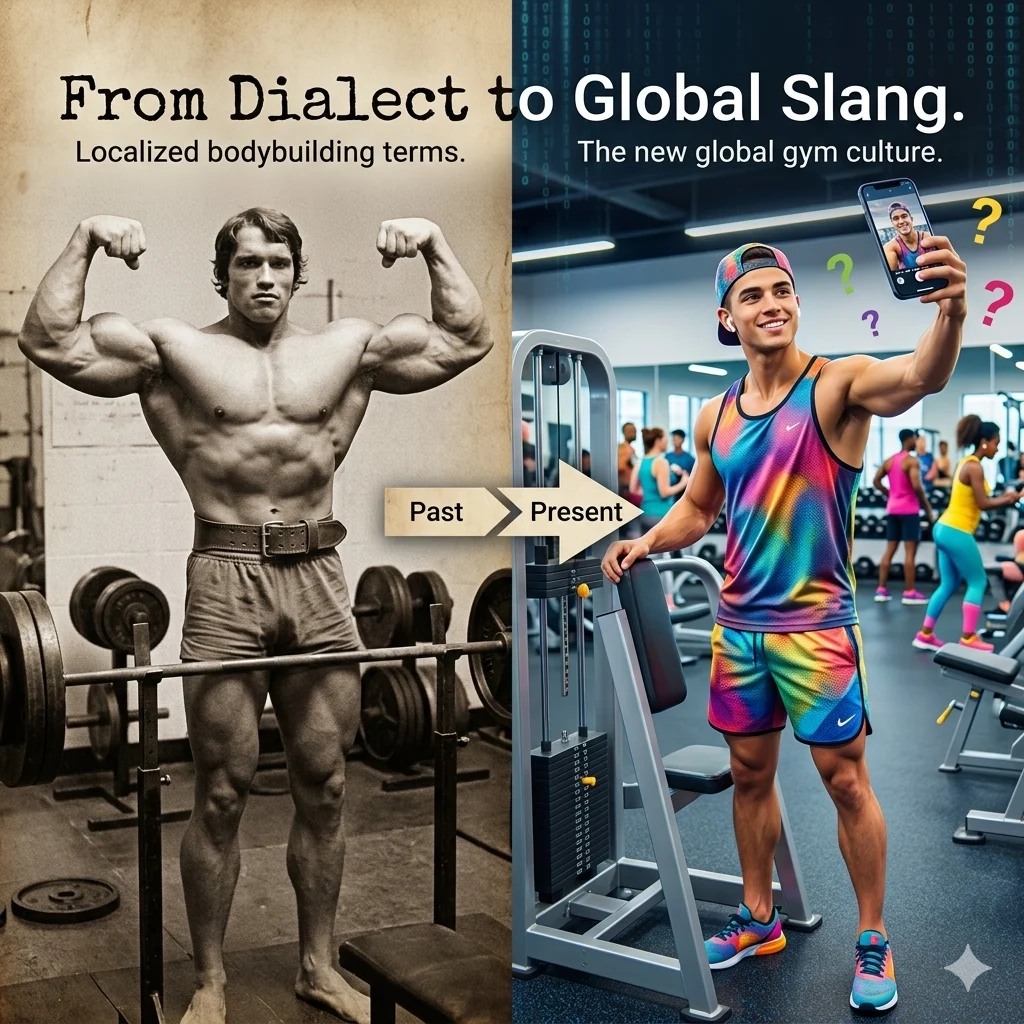
However, in various dialects, particularly in African American Vernacular English (AAVE) and Southern American English, the past tense “swoll” was used informally. For decades, “swoll” existed as a colloquial term meaning something had expanded.
In the 1990s and early 2000s, the word entered bodybuilding culture. It shifted from “swoll” to swole as a stylistic choice. The “e” at the end gave it a distinct look, separating it from the old grammar rule. It became an adjective, not a verb. Swole meaning shifted from “something that swelled” to “someone who is intensely muscular.” This evolution explains why the spelling differences exist today. Swole origin is rooted in dialect, but its popularity comes from gym culture and hip-hop music.
British English vs American English Spelling
When it comes to standard English, neither “swole” nor “swoll” is considered formal. However, there are distinct usage patterns between American and British English contexts.
- American English: Embraces “swole” as slang. It is used in fitness magazines, gyms, and social media. It is understood as an adjective meaning very muscular.
- British English: Generally sticks to “swollen” for formal use. “Swole” is recognized due to American internet culture but is used less frequently in everyday speech. “Swoll” is rarely seen.
Here is a comparison table to illustrate the differences:
| Spelling | Context | Usage Example |
|---|---|---|
| Swole | Modern Slang (Global) | “His arms are absolutely swole.” |
| Swoll | Dialect / Rare Variant | “His leg got swoll up.” (Old usage) |
| Swollen | Formal / Medical | “Her ankle is swollen.” |
| Swelled | Formal Past Tense | “The river swelled after the rain.” |
If you are asking is it swole or swoll for a caption, the table above confirms that swole is the winner for modern usage.
Which Spelling Should You Use?
Your choice depends entirely on your audience and the context of your writing.
- Use “Swole” if: You are writing for a fitness audience, creating social media content, or speaking to gym-goers. It shows you are part of the culture. If you are asking what does swole mean to a trainer, they will understand this spelling best.
- Avoid “Swoll” if: You want to be taken seriously in formal writing. If you are writing a research paper or a medical report, use “swollen.”
- Use “Swollen” if: You are in the UK, writing formal content, or describing an injury.
For global audiences, swole is the safest bet for informal communication. It has become the standard adjective in fitness communities worldwide. If you are searching for swoll or swole muscle definitions online, nearly all top results will use “swole.”
Common Mistakes with Swole
Even experienced lifters make mistakes with this word. Here are the most frequent errors and how to fix them.
- Mistake 1: Using “Swoll” as an adjective. While technically understandable, it looks outdated. Incorrect: “I am getting swoll.” Correct: “I am getting swole.”
- Mistake 2: Capitalizing it. Swole is slang; it does not need capitalization unless starting a sentence.
- Mistake 3: Confusing the part of speech. Remember, “swole” is an adjective (describing a state of being). It is not typically used as a past tense verb anymore.
- Mistake 4: Mispronunciation. The swole pronunciation is simple: /swoʊl/ (rhymes with “pole”). Do not pronounce the “e” separately. If you are wondering how do I get swoll, you are actually asking how do I get swole—meaning how to build muscle.
- Mistake 5: Using it for non-muscle things. While the root word means to expand, calling a balloon “swole” is not standard slang. It is reserved for muscles, strength, or sometimes ego (e.g., “his ego is swole”).
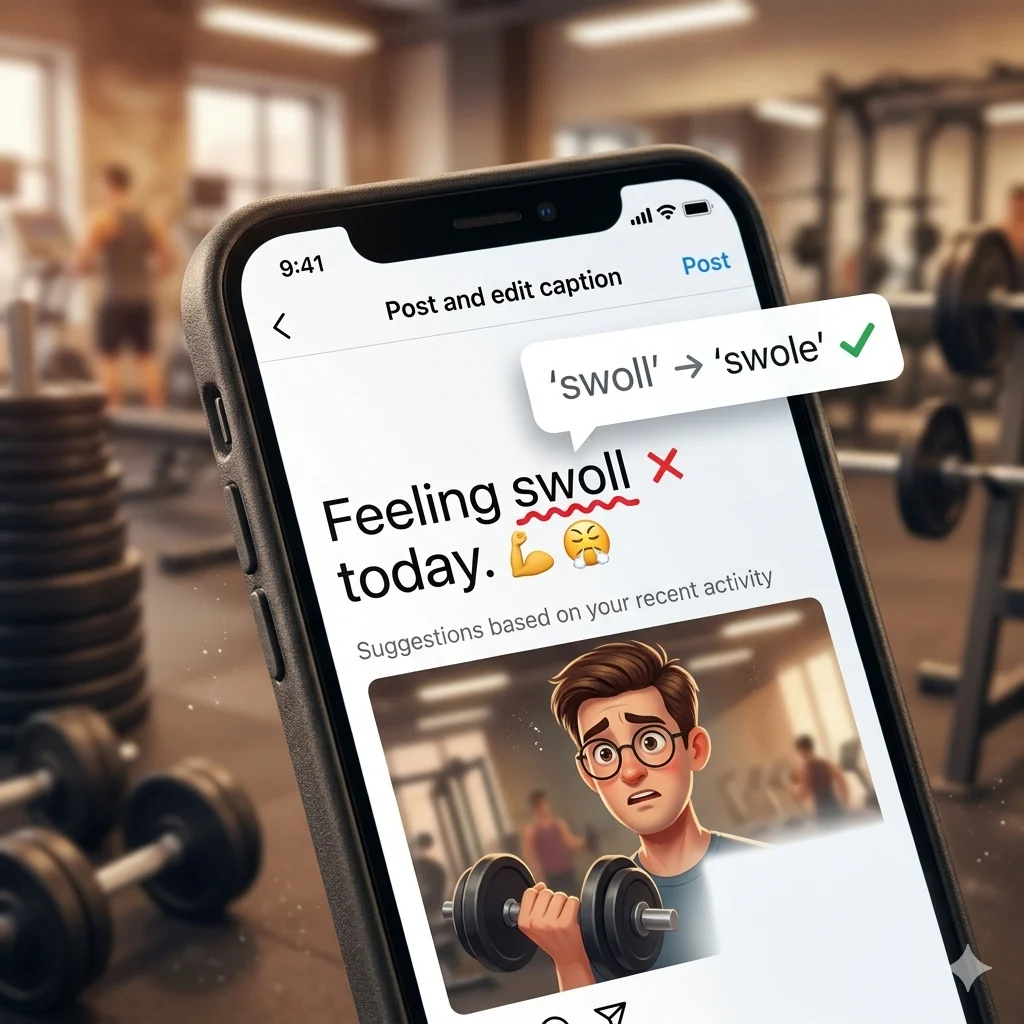
Swole in Everyday Examples
Seeing the word in context helps solidify the correct usage. Here is how swole appears in different scenarios.
Emails (Informal):
Subject: Gym update
Hey Mark, I’ve been hitting legs twice a week. Trying to get that swole look before summer.
News (Fitness Headlines):
“How to Get Swole: The Ultimate Guide to Hypertrophy Training.”
Social Media (Instagram Captions):
“Chest day done right. Feeling swole.”
“They asked if I was swole or swoll? I told them just look at the arms.”
Formal Writing (Avoid):
Incorrect: “The patient presented with a swole limb.”
Correct: “The patient presented with a swollen limb.”
Conversation:
Person A: “Did you see his legs?”
Person B: “Yeah, he is absolutely swole. What is his routine?”
When people look up swoll meaning in a dictionary, they often get redirected to “swollen.” But if they look up swole meaning gym, they will find the definition we use today: having a muscular, powerful physique.
Swole – Google Trends & Usage Data
Analyzing search data reveals interesting patterns about the popularity of swoll or swole.
- Geographic Interest: The term “swole” is most popular in the United States, particularly in states with strong fitness cultures like California, Florida, and Texas. It has significant search volume in the UK, Australia, and Canada as well, driven by the global spread of American fitness influencers.
- Context: Searches for swole urban Dictionary spike when people encounter the term for the first time. They are looking for the cultural definition, not the literal dictionary one.
- Search Volume: “Swole” consistently outpaces “swoll” in search volume by a ratio of approximately 8:1. This indicates that the market has chosen “swole” as the dominant spelling.
- Trend Over Time: Interest in the word peaked around 2016-2018 alongside the rise of “Instagram fitness” and has remained steady since. It is now a permanent fixture in fitness lexicon. People searching for swole synonym often look for words like “jacked,” “ripped,” or “built.”
Comparison Table: Slang for Muscular
| Term | Formality | Context |
|---|---|---|
| Swole | Informal | General fitness slang, positive connotation. |
| Jacked | Informal | Very muscular, often with low body fat. |
| Ripped | Informal | Lean with visible muscle definition. |
| Built | Neutral | Solid, muscular frame. |
| Swollen | Formal | Medical term for enlargement due to injury. |
Frequently Asked Questions
Here are the answers to the most common questions people have about this keyword.
Is it swole or swoll?
It is swole. This is the accepted spelling in modern fitness culture and slang. “Swoll” is an older variant that is rarely used today.
What is swoll?
Swoll is a dialect past tense of the verb “swell.” It means to have expanded or swollen. However, in the context of muscles and strength, it is largely outdated and has been replaced by “swole.”
What does swole mean?
Swole is an adjective meaning having extremely large or well-defined muscles, typically as a result of weightlifting and bodybuilding. It implies a state of peak physical conditioning.
How do I get swole?
To get swole, you need a combination of consistent resistance training (focusing on progressive overload), a high-protein diet in a caloric surplus, and adequate sleep for muscle recovery. It requires dedication to hypertrophy training.
Swoll or swole meaning?
While both relate to expansion, swoll refers to the past action of swelling (like an injury), while swole refers to the current state of being muscular. If you want to compliment someone’s muscles, use swole.
Swoll or swole muscle?
When describing muscle, swole muscle is the correct phrase. For example: “He has swole muscles.” Using “swoll muscles” is grammatically non-standard in modern slang.
Is swole in the dictionary?
Yes, major dictionaries like Merriam-Webster have added “swole” as an informal adjective meaning “extremely muscular.” It is recognized as slang, acknowledging its widespread use.
Conclusion
Navigating the difference between swoll or swole comes down to understanding culture versus grammar. If you are writing a formal document, you should use “swollen.” However, if you are engaging with the fitness community, posting on social media, or talking about your gym progress, swole is the undisputed champion. It is a term of admiration that signifies dedication, strength, and hard work.
Remember that language evolves. What started as a dialect past tense (“swoll”) transformed into a cultural badge of honor (“swole”). By using the correct spelling, you align yourself with modern fitness culture and avoid the common mistake of looking like an outsider. So, the next time you finish a heavy leg day or see a lifter with impressive arms, you know exactly what to say. Go ahead and give them the compliment they deserve—tell them they look absolutely swole.

Noah Syntax is a linguistics lover who finds beauty in structure and rhythm. His writing combines precision with playfulness, decoding the secrets of language for everyday readers. At Simile Mind, Noah brings clarity, humor, and insight to every metaphor he explores.